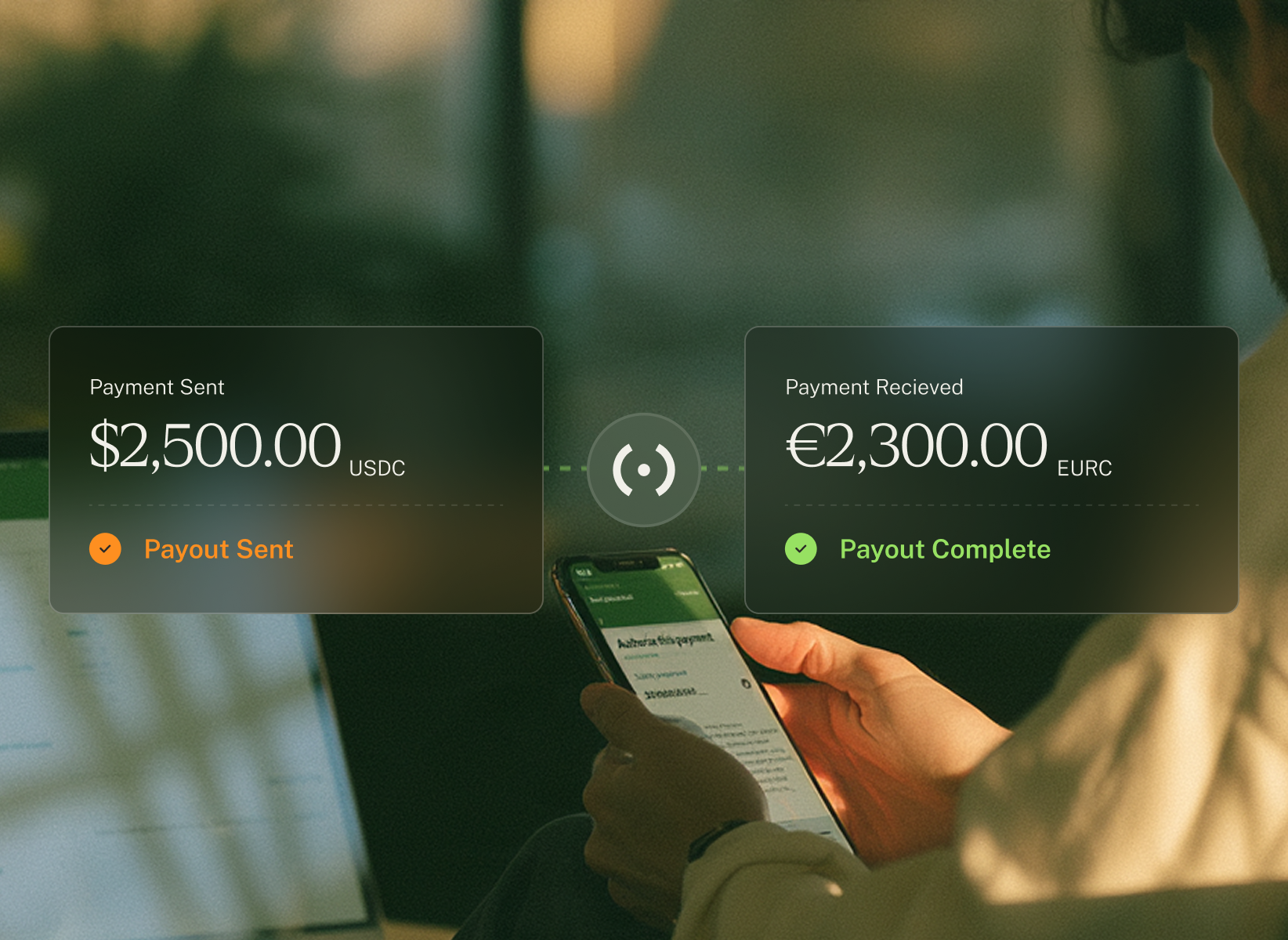


Picture the last identity product you used when making a payment.
There is a screen. Email, password, magic link, “continue with.” Until that works, nothing else does. The session is the identity. Spend is a thing the session is allowed to do.
Or there is a folder. Someone’s documents, someone’s vendor, a stamp in a database the rail has to phone. Until the stamp comes back, the payment waits.
Or there is a wallet address, treated as a name. Whoever holds the key is them. That is enough for a transfer. It is not enough if you needed to know which company showed up, or whether the network had ever seen this participant before.
Atum ID looks, from a distance, like it might be one of those. A login. A KYC booth. A prettier address.
It isn’t.
Atum ID is a credential that can travel with a payment, bound to the key that actually signed, not a door you walk through before money is allowed to move.
That is the difference.
Proof, not a claim
Most identity systems take your word, then remember you. You typed a username. You still have the cookie. You still have the badge from last Tuesday.
Atum ID does not remember you that way. Anyone can type a name on a form. This payment has to be signed, like a check, and the network can tell the signature came from that key. You do not get through by announcing yourself. You prove it on this payment.
So Atum ID does not live in a separate login. It rides on the payment itself, like a sidecar. You do not look someone up in a directory first. This payment is the proof.
The payment still starts with a signature. Atum never holds that key. Atum ID is not Atum signing for you, and it is not the signature itself. The signature says this spend is allowed. Atum ID says, when it is present, that the network Knows the participant who showed up.
It does not have to be there for the money to move
This is the part that breaks the usual product. Identity companies need to be in the way. If you can skip them, they do not get paid, and they cannot promise anyone a gate.
Atum ID is not a gate.
A payment can settle on the signature alone. The credential can ride along so you can ask, later, who acted. It can be required by policy when you need it. It is not the lock on the first integration.
If you are used to “Turn on identity. Next, turn on payments,” that order does not apply here. You send. You attach Atum ID when you need the network to know the participant, not because the rails refuse to move without a login.
It is not your customer file
The other trap is to hear “identity” and assume you have to hand over your customer to Atum.
You don’t. You still own that relationship. You still run the checks that apply to you. Atum can enforce policy on credentials you attach. That is not Atum knowing your customer, and it is not Atum taking your obligation.
That is a smaller job than a login, a background check, or treating an account as a person. It only asks whether this signed payment came from someone the network already knows. Atum does not need your customer to find out.
What Atum ID is not (yet)
It is not proof that the software holding the key is a particular person’s agent. Delegated authority, or the the program spending as you, is separate work. It does not ship in this flow today.
When that work lands, it will have to travel with the payment too. That is the test. If it becomes a session you open first, it has stopped being Atum ID.
Until then, the difference is already in what ships. Who showed up rides on the payment. You do not need to log in to be able to pay on Atum.