

You’ve seen this pitch before: some network calling itself “neutral” or “permissionless”. That is, until you look closer and find a native token propping up the entire network, a preferred set of operators, or a company quietly sitting in the middle of every transfer.
So when you first hear about Atum, a platform for agnostic money movement making the same claim, a reasonable reaction is doubt. What would actually make ‘neutral’ true here?
Atum stays neutral because it doesn’t run a chain, issue a stablecoin, operate its own settlement, or hold its own account.
Myth: Atum must be running its own blockchain.
It’s easy to assume a network that moves money agnostically against independent blockchains must be coordinating all of it through a blockchain of its own.
It isn’t. Every payment settles on the same public blockchains it started and ended on; Atum just coordinates between them without a chain of its own.
Myth: moving funds between blockchains must require a bridge, its own stablecoin, or its own credit.
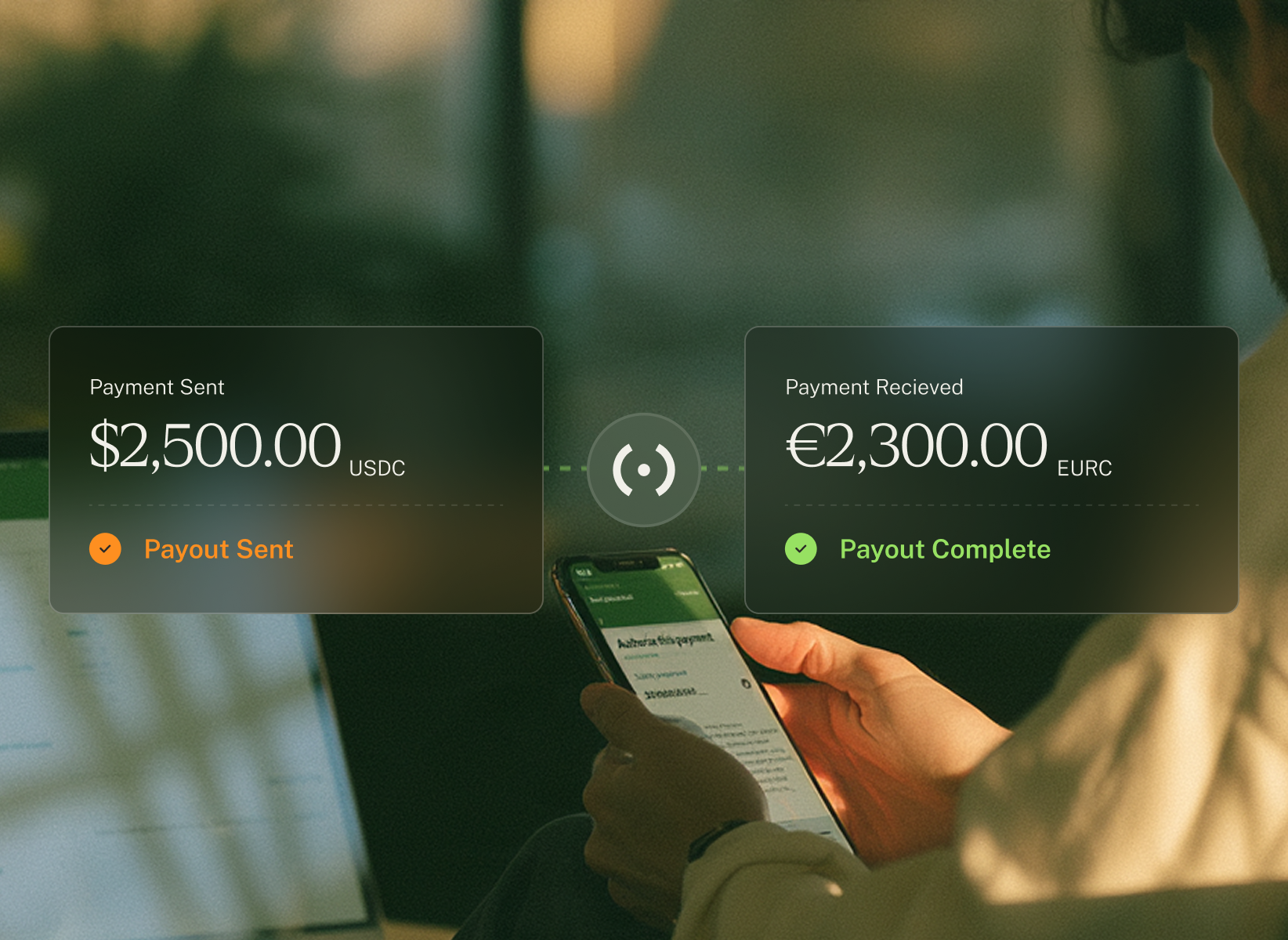
It doesn’t. Payments move in whatever tokenized dollar already held and the recipient already accepts (issued by Tether, Circle, or another issuer, never by Atum). Atum keeps a list of tokens allowed to move through its contracts.
Myth: Atum provides its own payment settlement.
It doesn’t. The entity who fulfills a given payment — called a settler — is an independent operator: their own servers, their own funds, their own credentials, and they compete with other operators.
Atum builds the infrastructure a settlement operator can run and the interface it connects through, not the settlement operations themselves. If you’re a liquidity provider deciding whether to become a settlement operator, you compete on your own terms (you’re not working for Atum).
Myth: Someone must be in the middle holding funds.
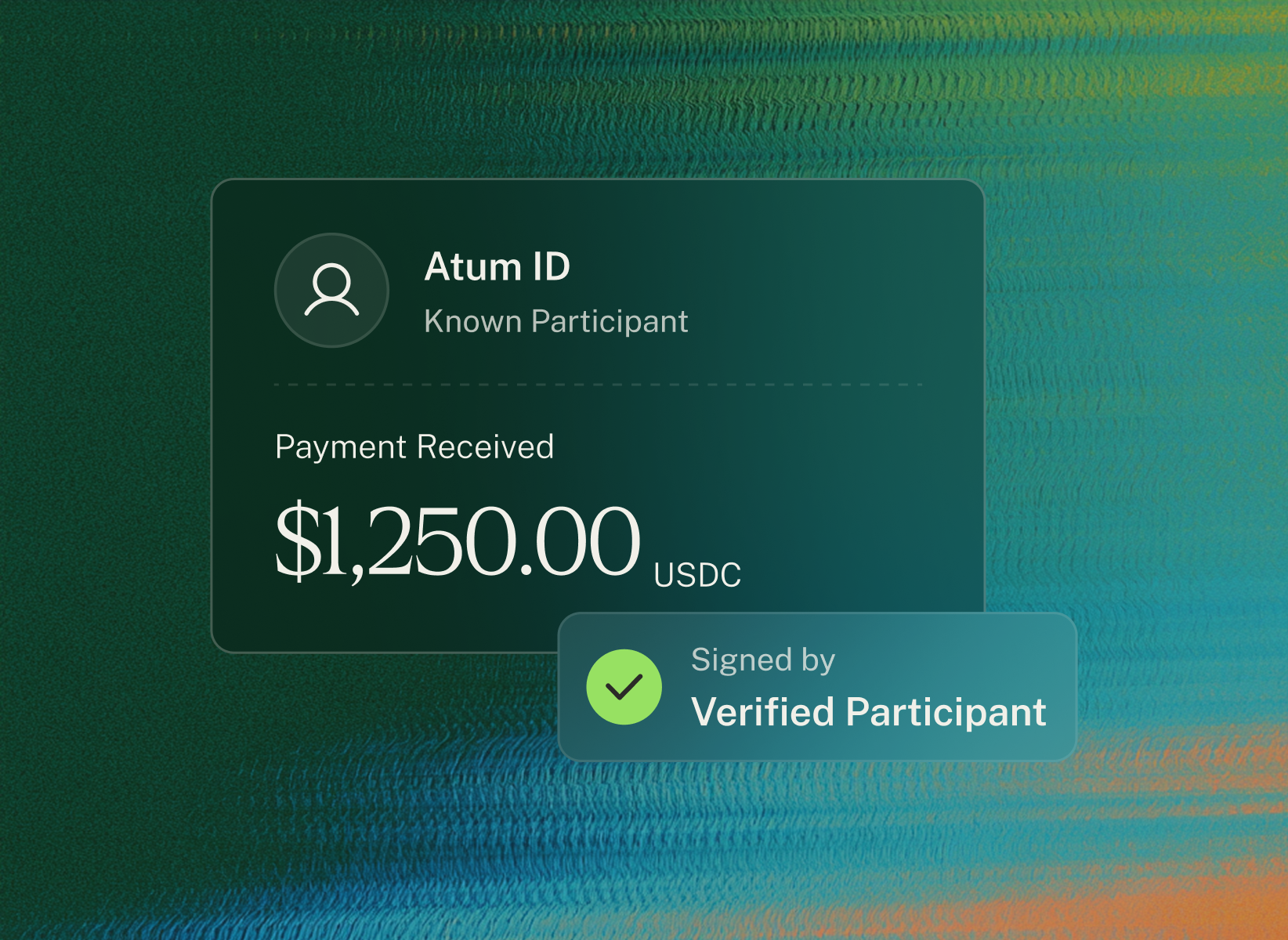
Nobody does – not the way a bank or custodian would. Funds are controlled by a smart contract on the chain the payment started on. Funds have exactly two exits: pay the settlement operator once delivery is proven, or refund the payer. No function exists that allows Atum (or anyone) to send it anywhere else.
You don’t have to take our word for it. This contract is published for every supported chain, and the code that releases funds is public too: read it, and you’ll find a signature check gating release and refund with no ability to redirect a cent. For a fuller list of what the system can and can’t do, see the Neutrality Litepaper.
By design, Atum is structurally unable to do the things a payment network usually has to be trusted not to do: favor a chain, prop up a token, protect its own settlement, or hold your money in an account it controls.
Neutrality is just what’s left once you take away the chain, the token, the settler, and the custody.